

For decades, bicycles have relied on the same basic system: a metal chain transferring power from the pedals to the wheel. It works—but it comes with compromises that every rider knows well.
Chains require constant maintenance. They need to be cleaned, lubricated, and adjusted over time. They collect dirt, stain clothes, and wear out with regular use. In urban environments, where bikes are used daily in all conditions, these small inconveniences quickly become real friction.
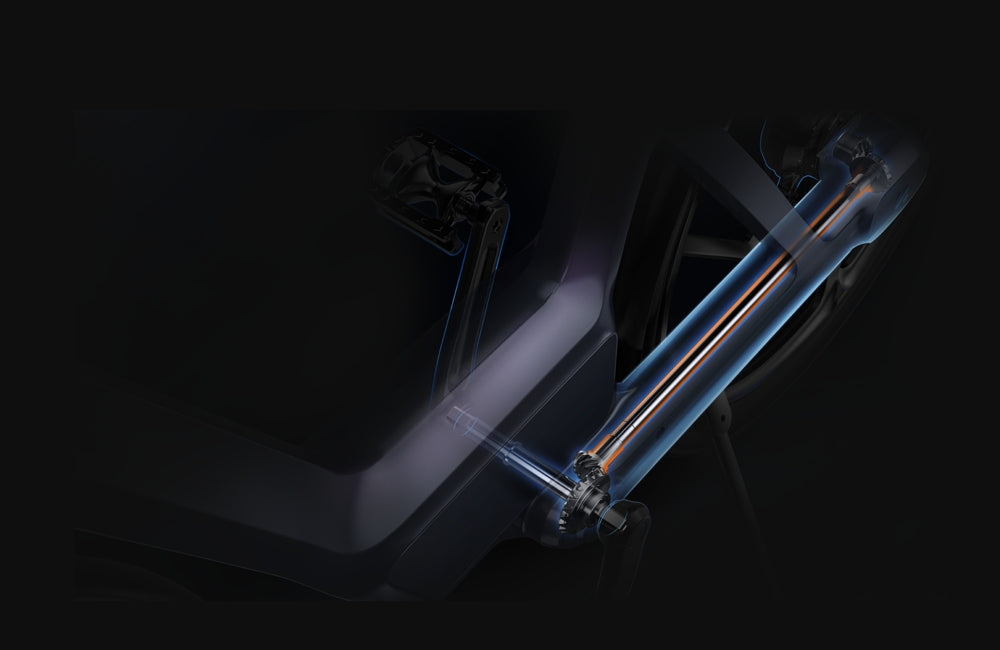
Shaft-drive technology takes a completely different approach. Instead of an exposed chain, the system is fully enclosed, transferring power through a sealed mechanism. This design eliminates the need for grease and significantly reduces maintenance.
The benefits are immediate. No oil on your hands, no risk of staining your clothes, and no need for frequent cleaning. The drivetrain stays protected from dirt, water, and external elements, ensuring consistent performance over time.
Durability is another key advantage. With fewer exposed components and less wear, shaft-drive systems are built to last longer than traditional chain setups. They are designed for real-world use, not just ideal conditions.
Beyond practicality, there’s also a difference in experience. The ride feels smoother, more stable, and quieter—especially in stop-and-go city traffic. It’s a more refined way to move through urban environments.
As cities evolve and expectations for mobility change, simplicity becomes essential. Riders are no longer looking for systems that require constant attention—they want reliability, cleanliness, and ease of use.
Chainless drivetrains are not just an alternative. They represent a shift toward a more modern, user-focused approach to cycling.
For everyday riders, it’s not about reinventing the bike. It’s about removing everything that makes it harder to use.

Leave a comment
This site is protected by hCaptcha and the hCaptcha Privacy Policy and Terms of Service apply.