
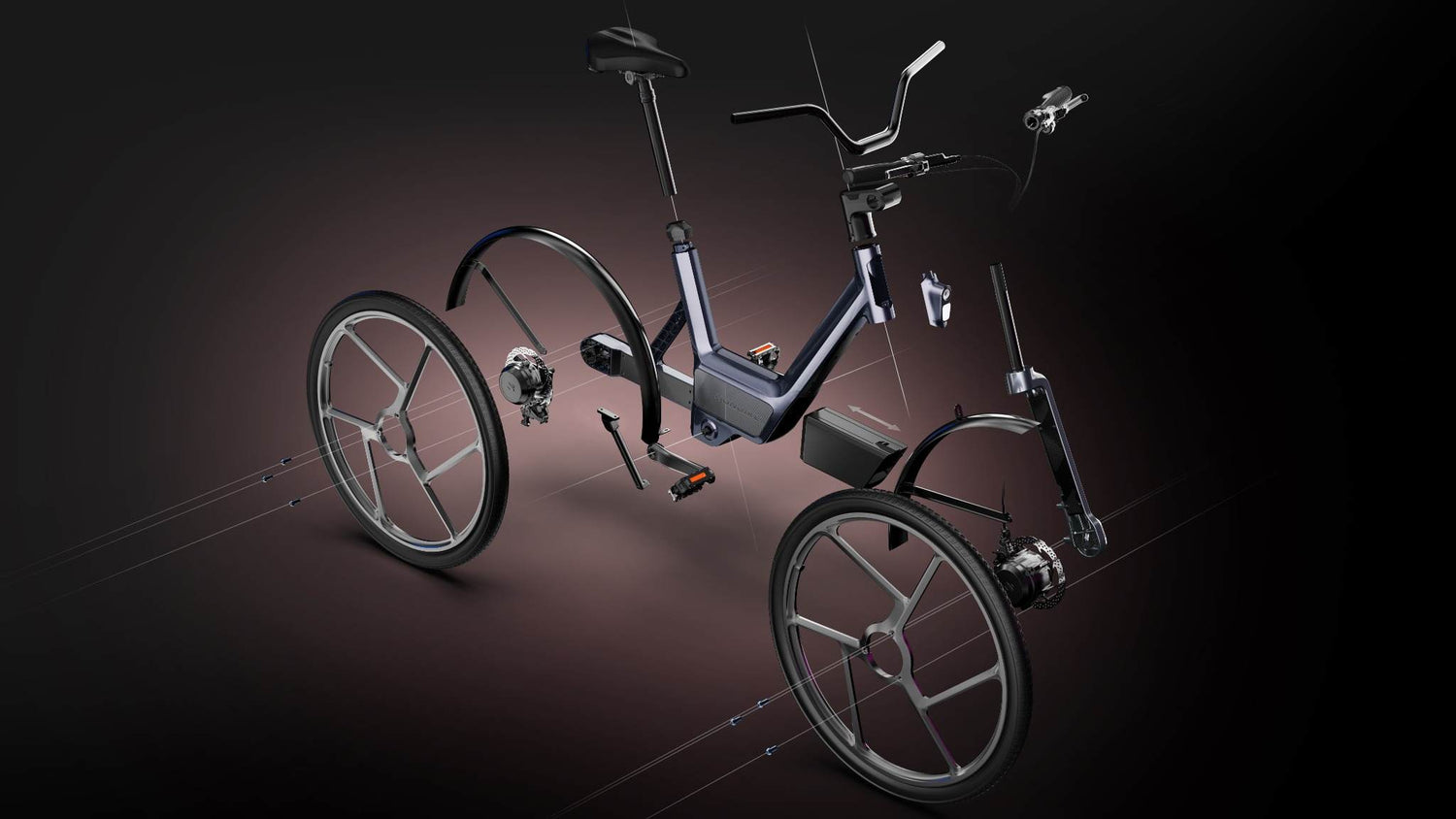
Modern urban mobility is not just about performance—it’s about reducing complexity. The more components a system has, the more points of failure it introduces.
Traditional bicycles rely on multiple exposed parts that wear down over time: chains, derailleurs, cassettes. Each one requires maintenance, adjustments, and eventual replacement.
A different approach focuses on simplification. By reducing the number of moving and exposed components, the entire system becomes more reliable and easier to manage.
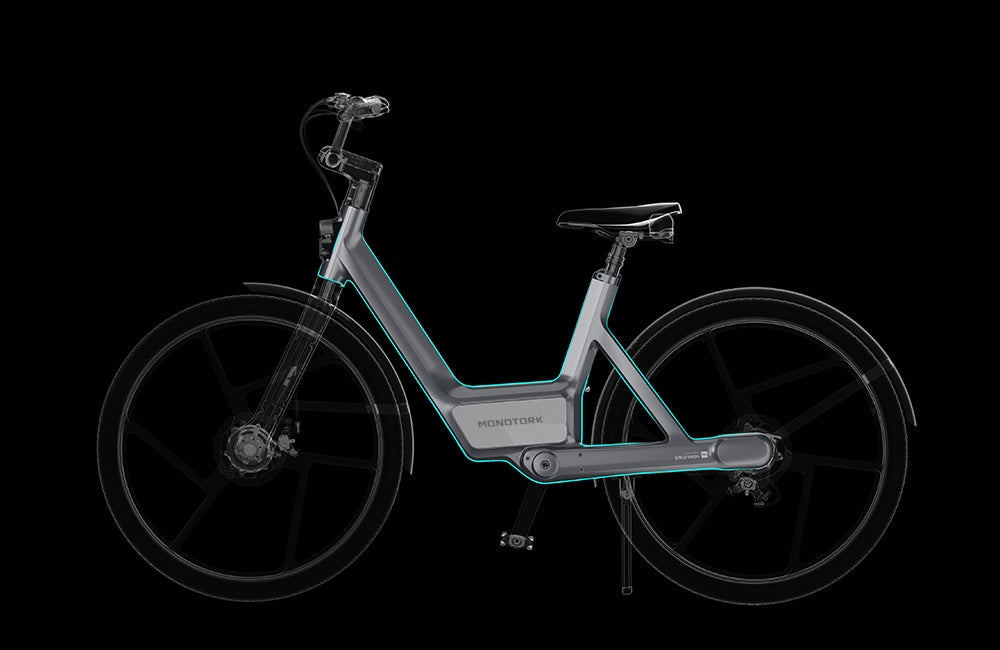
This is where modern drivetrain solutions make a real difference. Systems like shaft drive and belt drive eliminate many of the parts that typically require constant attention. No chain stretch, no lubrication, no frequent adjustments.
Fewer parts mean fewer problems. Less wear, less maintenance, and fewer unexpected issues over time. For riders, this translates into a more dependable experience—one that fits seamlessly into daily life.
There’s also a long-term advantage. With reduced mechanical stress and fewer consumable components, the lifespan of the bike improves. What you gain is not just convenience, but durability.
In urban environments, where bikes are used every day and often stored in less-than-ideal conditions, simplicity becomes a key feature—not a limitation.
Designing for longevity is not about adding more. It’s about removing what isn’t necessary.
The result is a bike that works consistently, requires less attention, and stays reliable over time.
Because the best technology is the one you don’t have to think about.

Leave a comment
This site is protected by hCaptcha and the hCaptcha Privacy Policy and Terms of Service apply.